4.10. WORLD CO2 EMISSIONS
A simulation model with Vensim
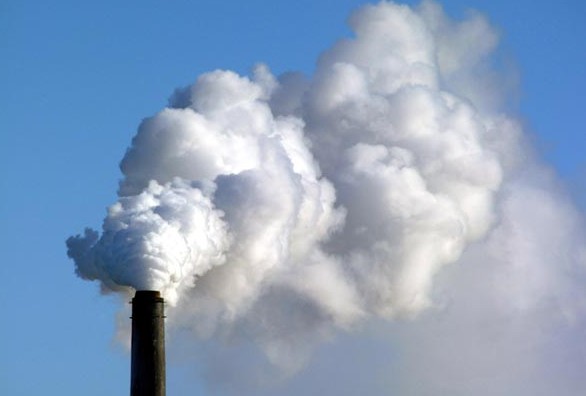 We are asked to make a simple model of the emissions of CO2 in the atmosphere. The model needs to be generic and adaptable afterwards to a determined period and geographical system. We are asked to base our model on the "Identity of Kaya"
The "Identity of Kaya" says that the emissions of CO2 are equal to the Gross Domestic Product or GDP (€) by the Intensity of Energy (Kw/€) and by the Vector of Energy Production (CO2/Kw).
CO2 (tm) = GDP (€) x Intensity of energy (Kw/€) x Vector of Energy Production (CO2/Kw)
The intensity of the energy is the quantity of energy demanded by each unity of annual GDP. We can calculate the total energy demanded based on the GDP.
Vector of Energy Production includes the emissions of CO2 for every Kw of energy produced, and the distribution in percentages of the different sources of energy: coal, fuel, gas nuclear and renewable (hydroelectric, eolic and others). In this way we can calculate the emissions of CO2 based on the energy needed and the Vector of Energy Production.
With the intention of fixing some initial parameters, it is indicated that the emission of CO2 by the KW produced is high with coal, medium with fuel and low with gas. There are no significant emissions with the other sources of energy. On the other hand the Vector of Energy Production is formed by 50% fuel, 30% by nuclear and 10% by gas and the rest in equal measure between coal and renewable energy.
It is asked that the model allows, as well as introducing different scenarios of the GDP, the possibility of introducing improvements both in the efficiency of the Energy Intensity and in the emissions of CO2 per unit Kw produced from the different sources of energy.
We want to create a model that gathers all these aspects and that ensures that the level of CO2 in the atmosphere will be constant. The following scheme is proposed:
Emission = GDP x Energy Intensity x Vector of Energy Production
Being the respective measure units:
CO2 = € x Kw/€ x CO2/Kw
The model allows to gather the identity of Kaya, in order to calculate the emissions of C02 based on the energy needed and on the Vector of Energy Production. The model also allows us to introduce the generic parameters that are indicated to us.
We are asked to make a simple model of the emissions of CO2 in the atmosphere. The model needs to be generic and adaptable afterwards to a determined period and geographical system. We are asked to base our model on the "Identity of Kaya"
The "Identity of Kaya" says that the emissions of CO2 are equal to the Gross Domestic Product or GDP (€) by the Intensity of Energy (Kw/€) and by the Vector of Energy Production (CO2/Kw).
CO2 (tm) = GDP (€) x Intensity of energy (Kw/€) x Vector of Energy Production (CO2/Kw)
The intensity of the energy is the quantity of energy demanded by each unity of annual GDP. We can calculate the total energy demanded based on the GDP.
Vector of Energy Production includes the emissions of CO2 for every Kw of energy produced, and the distribution in percentages of the different sources of energy: coal, fuel, gas nuclear and renewable (hydroelectric, eolic and others). In this way we can calculate the emissions of CO2 based on the energy needed and the Vector of Energy Production.
With the intention of fixing some initial parameters, it is indicated that the emission of CO2 by the KW produced is high with coal, medium with fuel and low with gas. There are no significant emissions with the other sources of energy. On the other hand the Vector of Energy Production is formed by 50% fuel, 30% by nuclear and 10% by gas and the rest in equal measure between coal and renewable energy.
It is asked that the model allows, as well as introducing different scenarios of the GDP, the possibility of introducing improvements both in the efficiency of the Energy Intensity and in the emissions of CO2 per unit Kw produced from the different sources of energy.
We want to create a model that gathers all these aspects and that ensures that the level of CO2 in the atmosphere will be constant. The following scheme is proposed:
Emission = GDP x Energy Intensity x Vector of Energy Production
Being the respective measure units:
CO2 = € x Kw/€ x CO2/Kw
The model allows to gather the identity of Kaya, in order to calculate the emissions of C02 based on the energy needed and on the Vector of Energy Production. The model also allows us to introduce the generic parameters that are indicated to us.
|
 See the book